Choosing a Dummy for a Breastfed Baby
Choosing a dummy for a breastfed baby can feel surprisingly loaded. You might hear "avoid pacifiers completely" — or be encouraged to use one early on — often without much explanation of how different dummies can interact with a baby's mouth and feeding pattern.
I'm not against pacifiers, or any parenting tool that genuinely helps babies and families feel settled. Early infancy is intense — for babies and parents — and thoughtful tools have a place.
What I think about most is how a dummy is used, for how long, and how its shape and firmness might interact with a baby's natural feeding movements.
What "Breastfeeding-Friendly" Design Looks Like
A breastfeeding-friendly dummy isn't about clever branding or what looks most like a nipple. It's about shape and how it responds in the mouth.
During breastfeeding, a baby typically:
Opens their mouth wide
Lifts and elevates the tongue
Cups the tongue around the breast tissue
Creates movement through the tongue, rather than jaw clenching or biting
Some dummies are firm enough to stay in place through jaw clenching alone, which is a different pattern to the tongue movement used at the breast.
Why Dummy Design Is Something to Think About
Many common pacifiers are firm, can be held in place by biting rather than tongue movement, and sit shallowly in the mouth. For some babies — particularly those early in their feeding journey — this may be worth being mindful of, since feeding patterns are still developing.
This doesn't mean every baby who uses a standard dummy will have difficulty feeding. Many families use them without any issue. It's simply a factor some parents like to understand.
About the Ninni Pacifier
I stock the Ninni + Co pacifier through my retail business because I like its design — it's soft, flexible, and doesn't hold its shape through biting the way firmer dummies can. To keep it in place, a baby generally needs to open their mouth, use their tongue, and maintain some tongue lift, rather than clamping down.
I want to be transparent: Ninni + Co is a product I sell, separate from my clinical work as a midwife and IBCLC. I'm sharing why I personally like the design, not making any claim about what it will do for your baby's feeding or development. It's a dummy — a settling tool — not a treatment, device, or fix for feeding difficulties.
Regulation Matters, Too
Settling and helping a baby feel safe is important in its own right. Tools that support this, used thoughtfully, can be genuinely helpful in early parenthood — regardless of which dummy you choose.
My personal preference is that dummies are used:
For shorter, settling periods
To support a baby transitioning to sleep
After feeding needs have already been met
rather than for extended, continuous periods, or as a stand-in for a feed.
A Note on Sleep
During sleep, a relaxed jaw and an unobstructed airway are generally what we want to see. Some parents prefer to let the dummy fall out naturally once their baby has settled into sleep, rather than it staying in for the whole night. This is a personal preference point, not a clinical recommendation tied to any particular product.
Some Honest Considerations
Every baby is different. Some things worth knowing before trying any new dummy, including the Ninni:
Not every baby will accept this style of dummy
There can be a learning curve
No dummy replaces a proper feeding assessment if you have concerns
If you're experiencing ongoing pain with feeds, concerns about weight gain, clicking or slipping at the breast, or difficulty maintaining a latch, the right next step is a feeding assessment with a qualified lactation professional — not a change of dummy.
So, Is the Ninni the "Best" Dummy?
There's no single best dummy for every baby — yours may take time to find one they like, or may never take one at all. I like the Ninni's design because of how it works in the mouth, rather than how it's marketed, and that's why I chose to stock it.
If you'd like to try it, you can find it on my website here:
And if feeding feels anything less than comfortable, or you’re unsure what’s right for your baby - support matters most. A dummy should support your baby, not replace assessment, feeding, or connection.
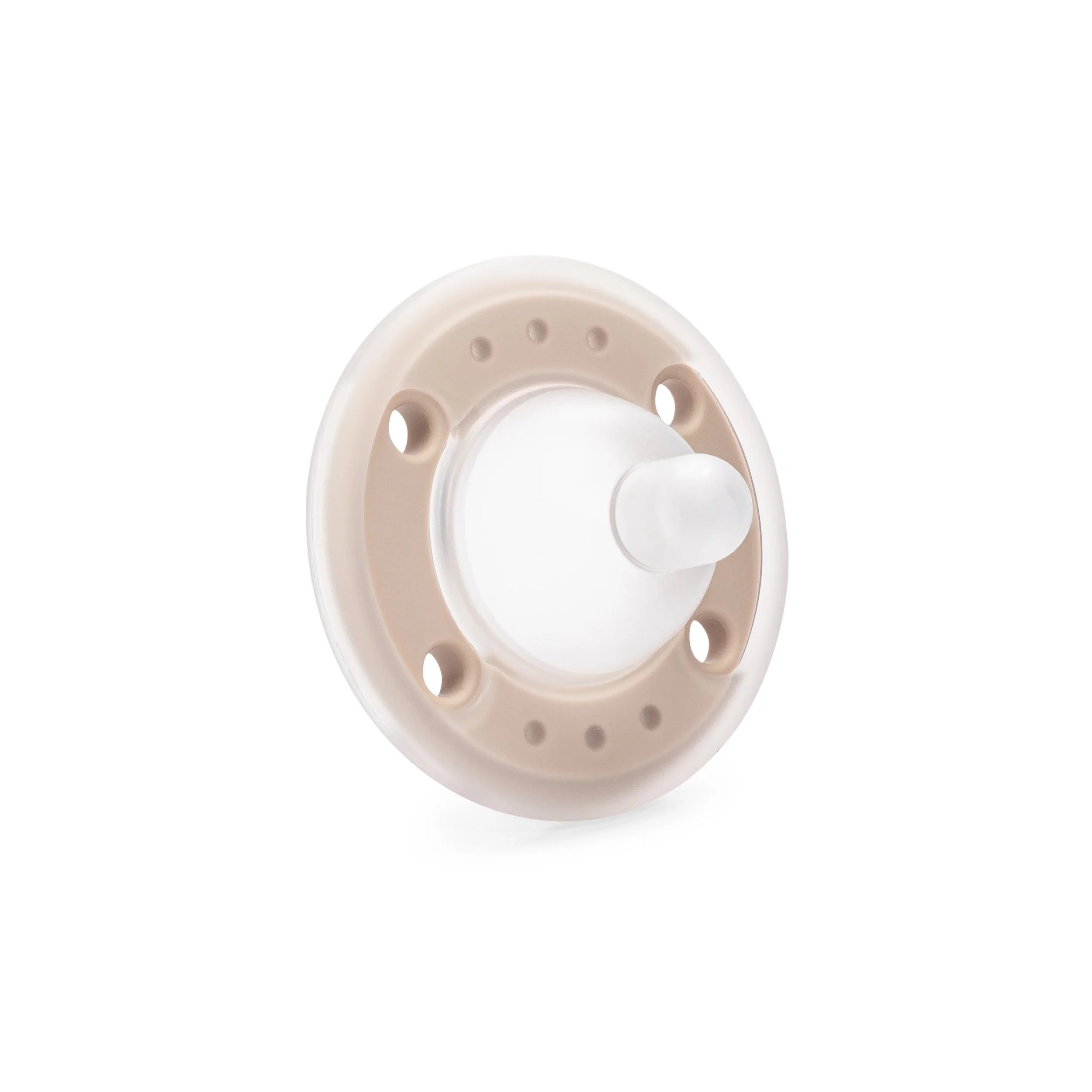
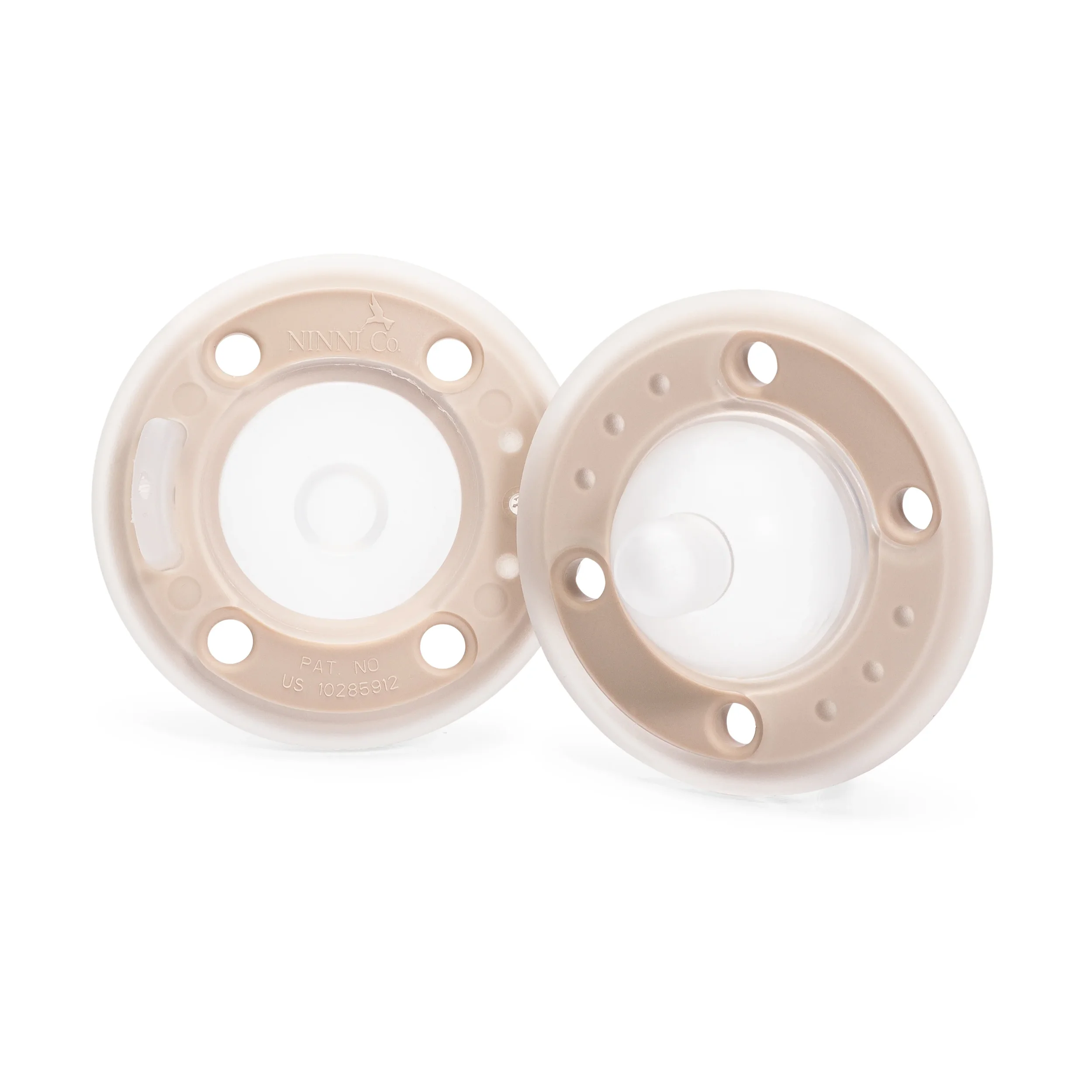


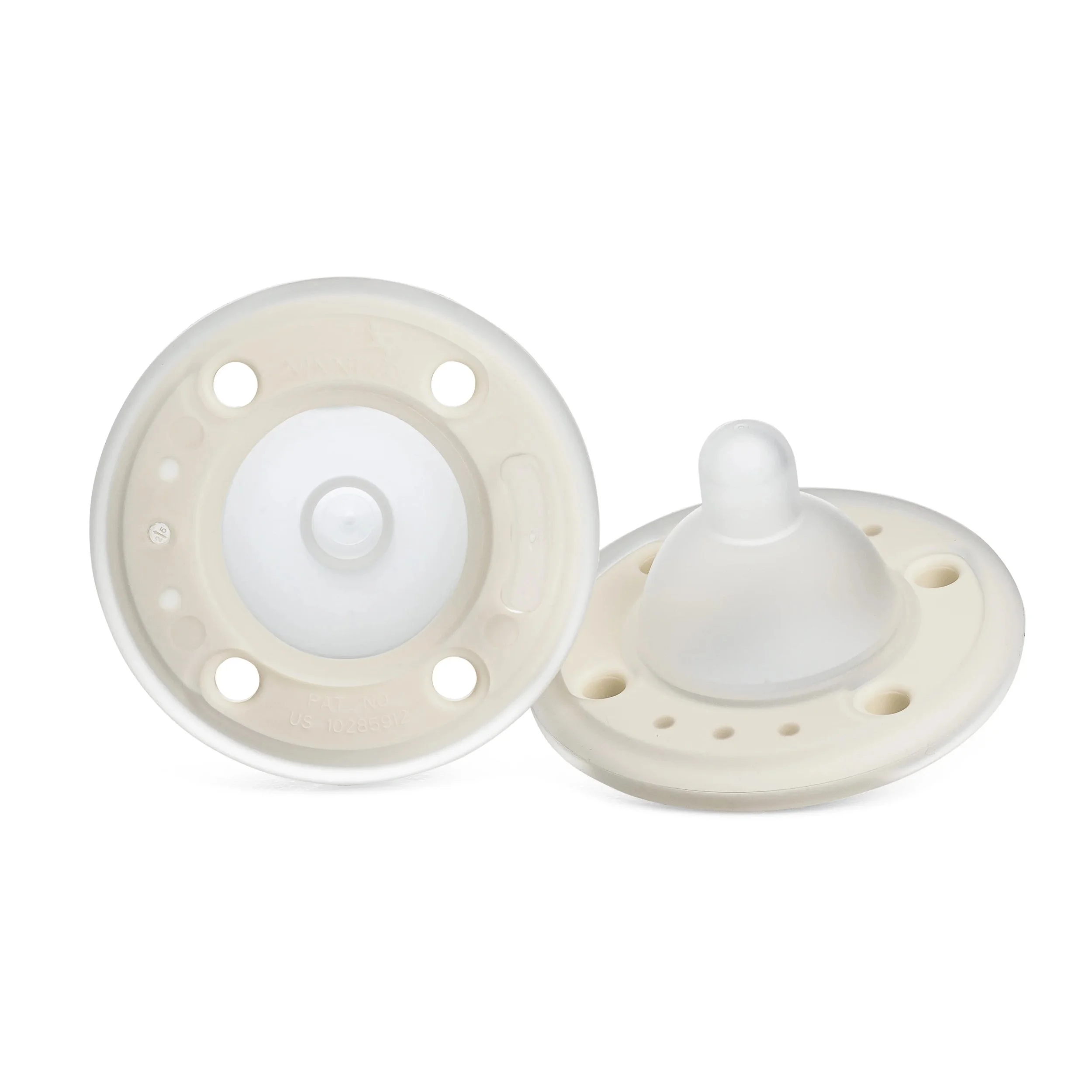
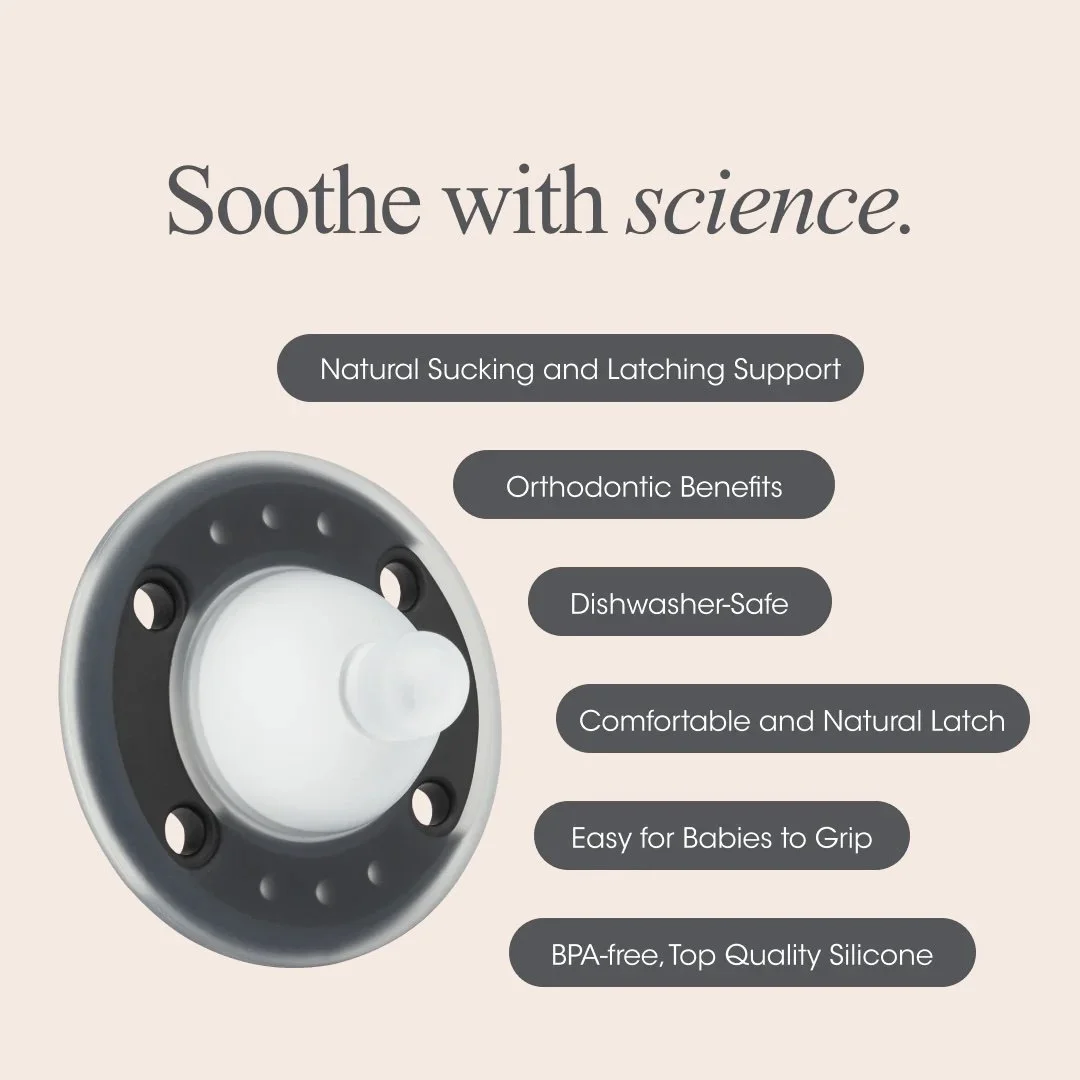
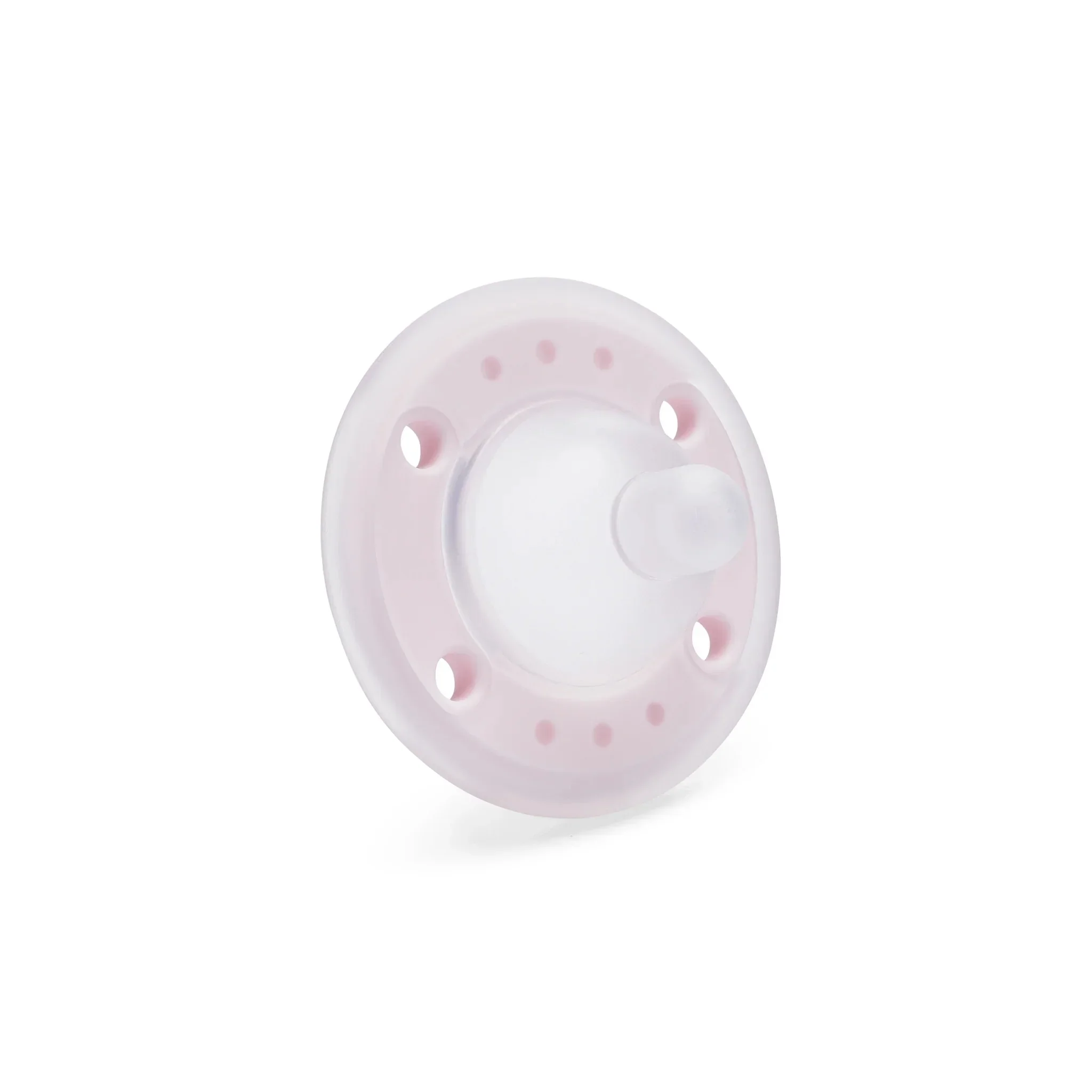
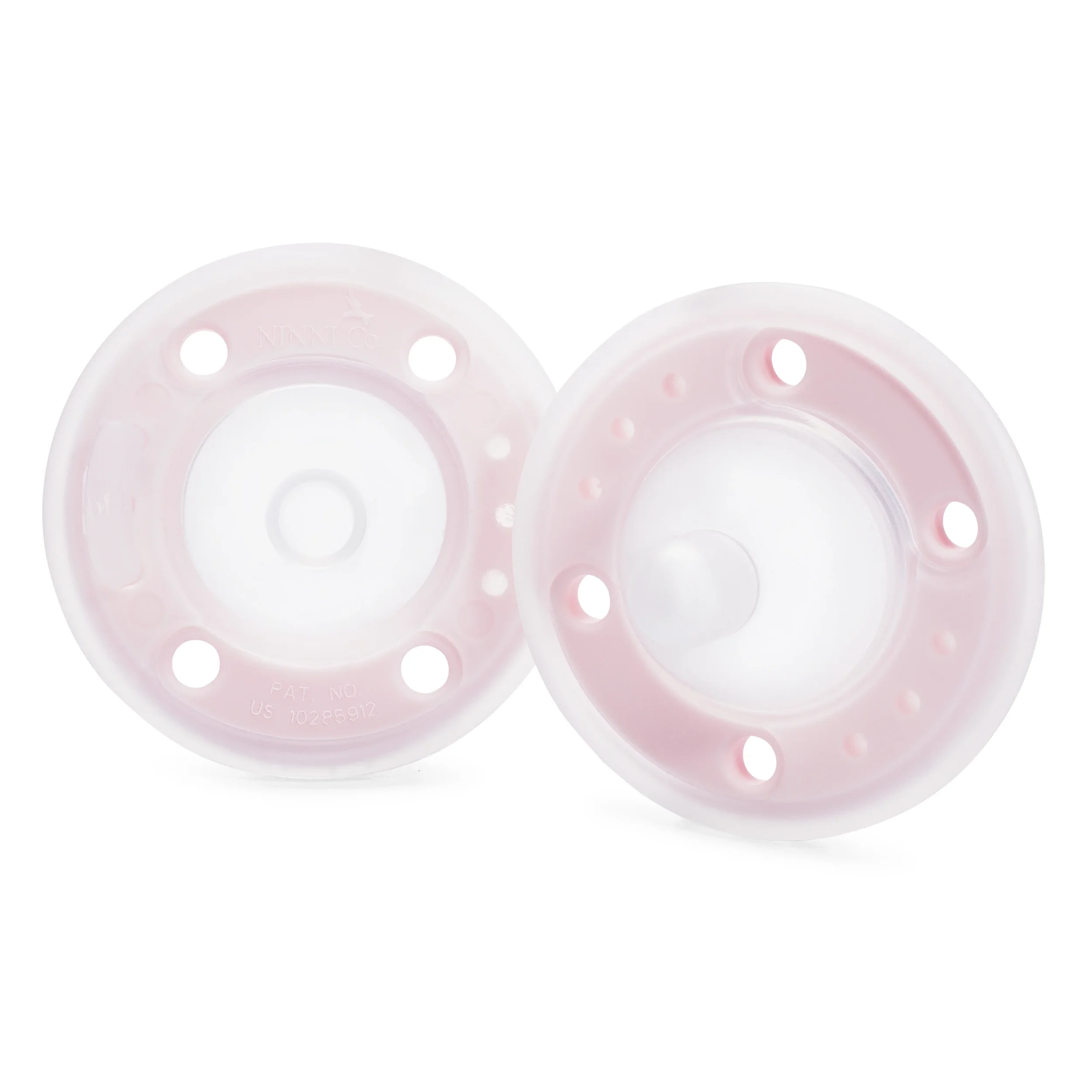
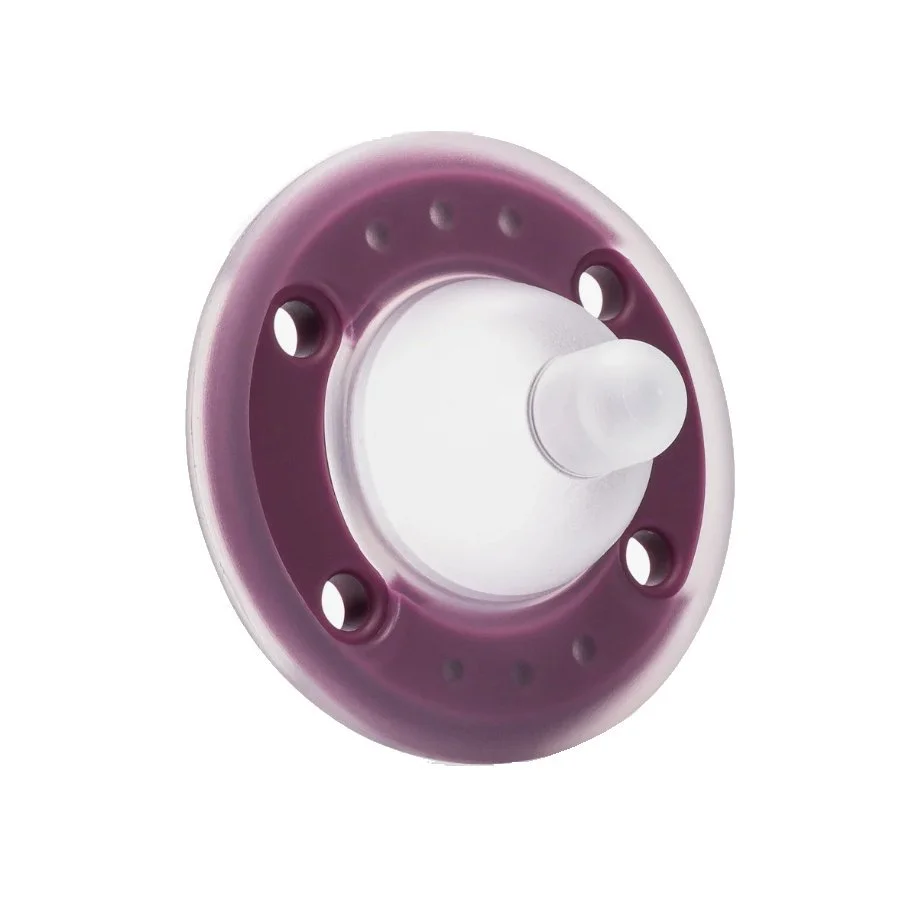
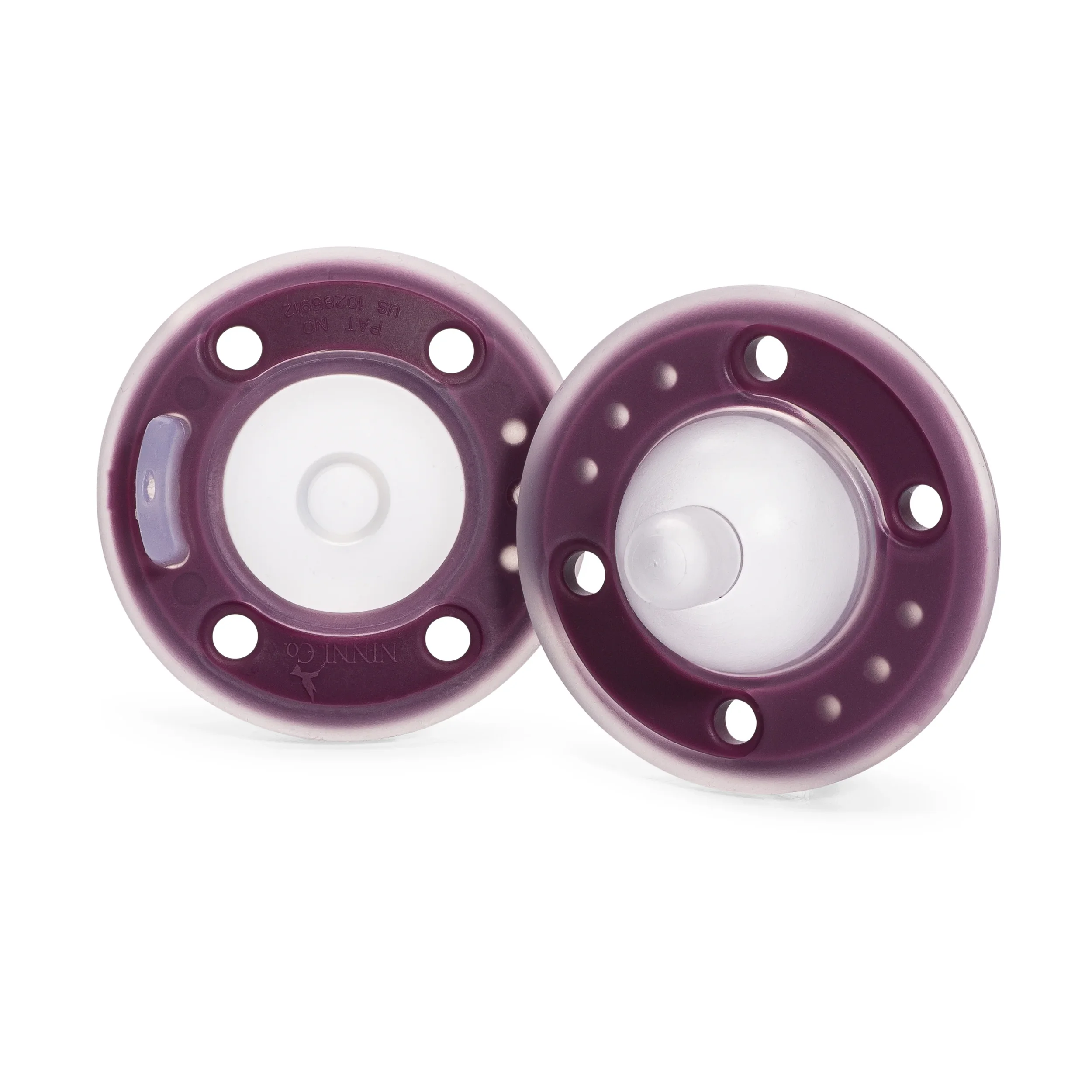
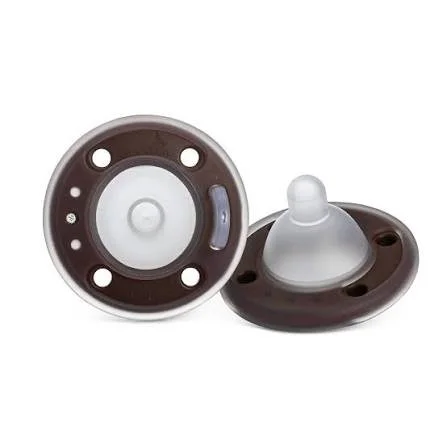

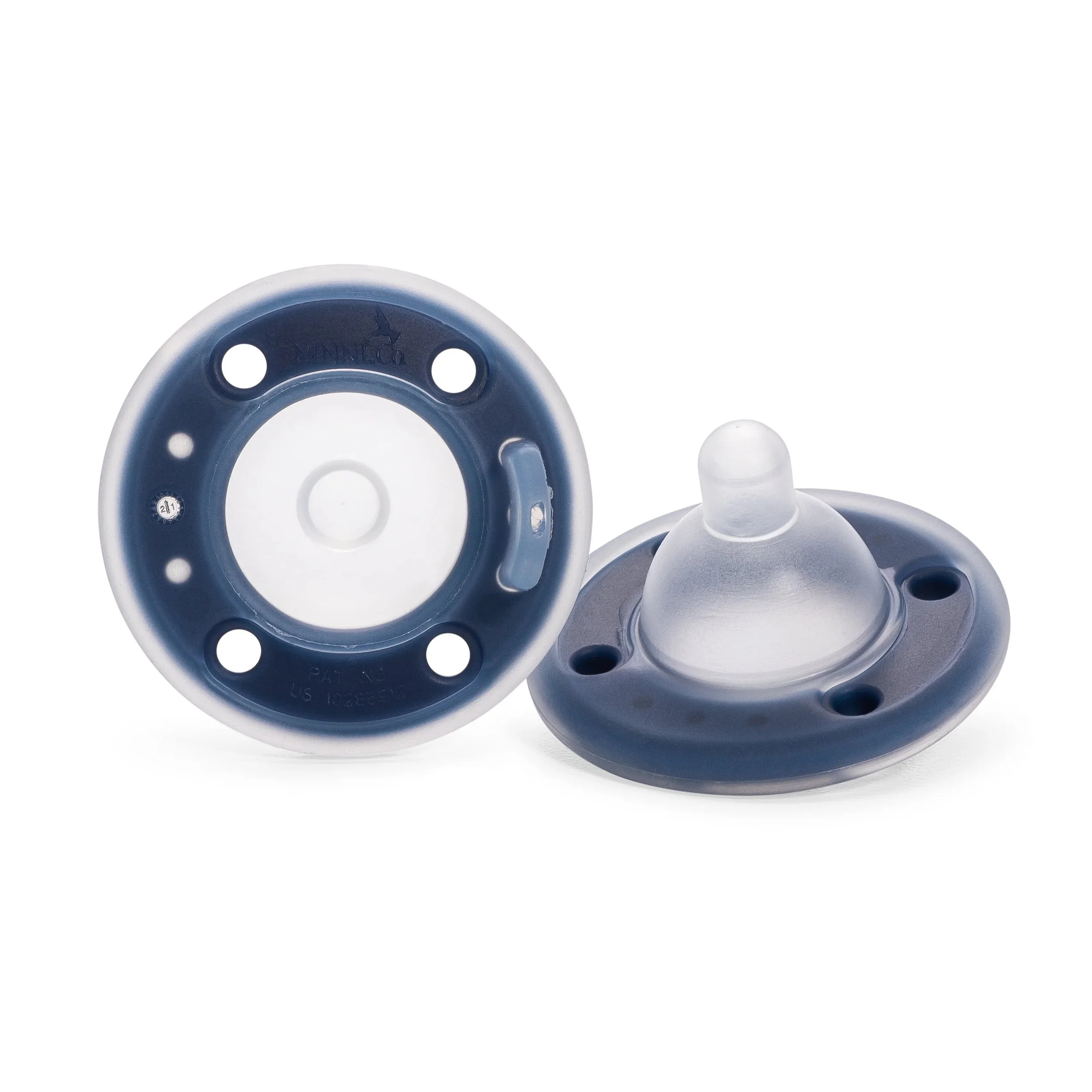
A soft, one-piece silicone dummy with a flexible design.
Suitable from birth.